Loading…
Madrid, Spain
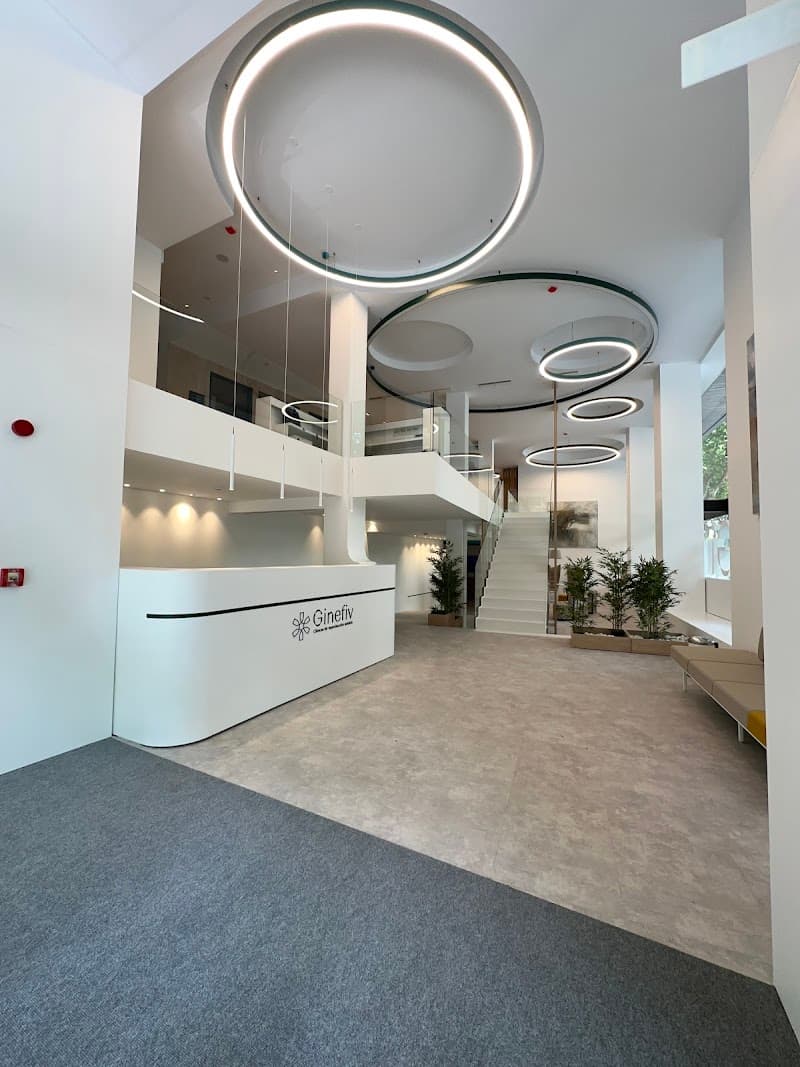
IVF — In Vitro Fertilisation clinic in Madrid, Spain.
4.3 / 5 based on 198 Google reviews.
IVF — In Vitro Fertilisation
“I live outside of Spain, so I consulted several clinics. The care provided by the GineFiv International Patient Care team is exceptional, especially Marina LJ. Her dedication, professionalism, and caring attitude make you feel in very good hands!”
— A U (5/5)
“Successful IVF from the first attempt. Paid what was specified in the contract, nothing extra.”
— Polina Potekhina (5/5)
“My experience at this clinic was disappointing. From the very beginning, there was a clear lack of information and poor communication. I received contradictory instructions on several occasions, reflecting internal disorganization. The delay in receiving the results was significant, and there was no proactive communication or timely explanations. In medical treatment, and especially in IVF, where the emotional burden is particularly high, this type of management is unacceptable. The lack of empathy and personal touch was another worrying aspect. The treatment was distant and lacked the sensitivity required for fertility treatment. Considering the high cost of the service, the experience fell far short of the standards they should offer. It is clear that they urgently need to improve communication, transparency, and the quality of patient care. Based on my experience, I would not recommend this clinic.”
— Dodu (1/5)
"The AI tells me that IVI and other clinics have more advanced laboratory technology than you. I’ve had a very good experience in my consultations, but I’m worried about not being able to maximize my chances of pregnancy in the future after the verification because the clinic doesn’t have as much technology as others. The AI tells me that, for example, IVI has the following that you don’t. Is that correct?
Advanced Artificial Intelligence (AI) Systems: They use AI algorithms trained with millions of images (like the Eva or Chloe systems) to analyze embryo development second by second. This helps the biologist, in combination with PGT-A, to determine which embryo has the highest probability of implantation.
Non-invasive Endometrial Diagnostic Technology: Analysis of the uterus by studying endometrial fluid, avoiding uncomfortable biopsies, or with next-generation massive sequencing for the microbiota.
Robotic laboratories and extreme environmental control: Closed systems where the air and conditions never vary by even a millimeter, something critical when working with eggs that have already been frozen."
— A (3/5)
“My experience at this clinic was not satisfactory. I had two semen analyses done, one at this clinic and another through the public healthcare system, very close together, and the results were extremely disparate, which caused a lot of confusion and insecurity as a patient. I understand that there can be biological variability, but I missed a clear explanation from the medical team about how such large differences can occur and what result should be considered the reference point. When you go to a fertility clinic, you look for rigor, clarity, and peace of mind. In my case, I left with more questions than answers. I believe that improving communication and patient counseling in these cases would be essential.”
— Ivan Gonzalez Casallo (1/5)
Based on verified patient interviews — not clinic marketing.